
The Department of Preservation and Reuse at Peat and Repeat is launching a series of workshops emerging from our creative and interior practice of ecological kin-making — or “oddkin,” to use Donna Haraway’s term from Staying with the Trouble.
Kin is a wild category that all sorts of people do their best to domesticate. Making kin as oddkin rather than, or at least in addition to, godkin and genealogical and biogenetic family troubles important matters, like to whom one is actually responsible.
Who lives and who dies, and how, in this kinship rather than that one?
What shape is this kinship, where and whom do its lines connect and disconnect, and so what?
What must be cut and what must be tied if multispecies flourishing on earth, including human and other-than-human beings in kinship, are to have a chance? (from Staying With The Trouble)
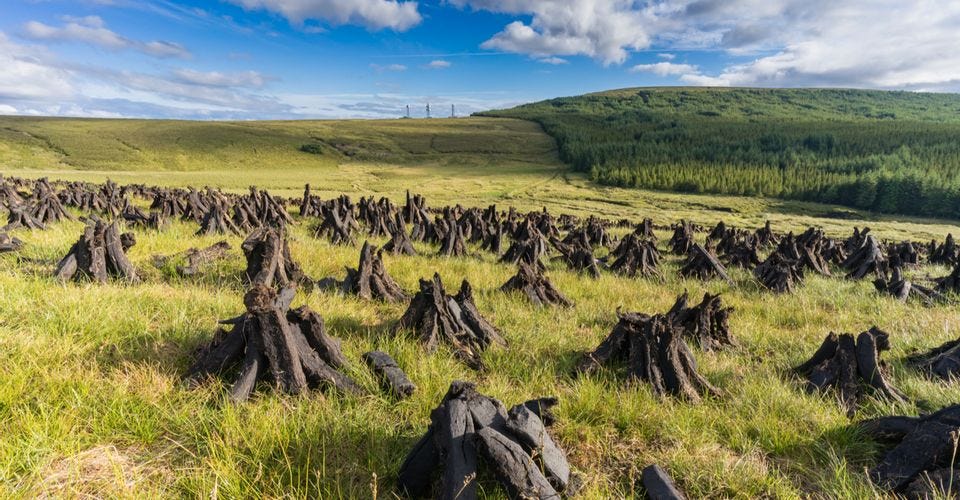
The ecologies that inspire this workshop series are psychopomp ecologies: places of preservation, transformation, saturation, and forgetting — peat bogs, marshes, buried waterways, wetlands, ruins.
The Dead
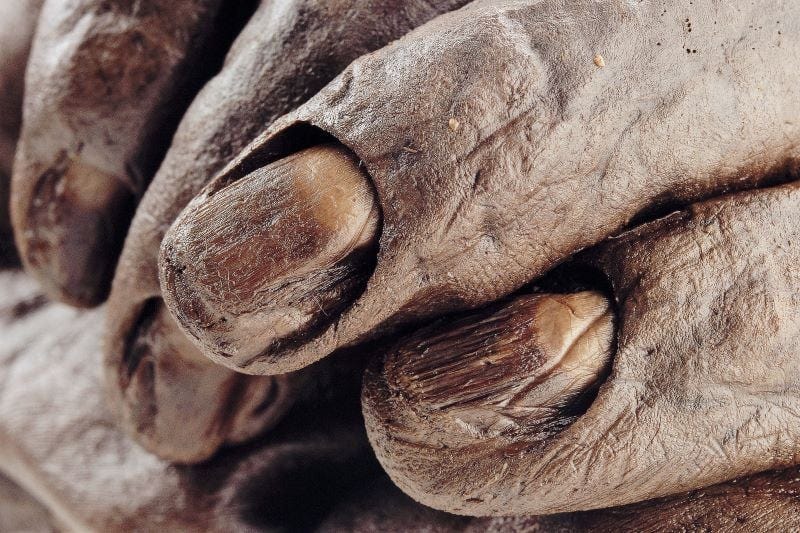
In Memories, Dreams, Reflections, Jung writes about his fascination with peat bog bodies. For him, the unconscious becomes a kind of land of the dead: a preserving field where psychic material remains suspended.
The bog is the collective psyche.
The dead do not disappear there. They persist and call us.
Bog / God / Dog
In Proto-Slavic, bog (bogъ) means “god.” The Indo-European root, with cognates in Sankrit and Avestan, the liturgical language of Zoroastrianism, is associated with wealth, apportionment, and share — what is distributed among a people.
God as Bog as what is preserved, as the land of the dead.
Jung often described his descent into the unconscious as his wealth.
The bog stores what history attempts to discard
Thus Spake Zarathustra
Jung writes of the double self: the everyday self, tangled in neurosis and routine, and another self — the self of the unconscious.
Jung names this figure for Nietzsche as Zarathustra, per Nietzsche’s famous work “Thus Spake Zarathustra.”
The prophet Zoroaster descends from solitude carrying transmissions from elsewhere, proclaiming most famously: God is dead.
What is dead in this case?
Is God in the Bog, God as Bog God as apportioning and sharing that which is preserved in the land - the dead to be resurfaced and integrated in life once again.
Zoroaster says go find true meaning amongst the ancestors, go find your inspiration within the bogs.
Mummies
Last week I dreamt of the dead.
I was searching for someone when a gravedigger unearthed two bodies wrapped in duct tape — mummies!
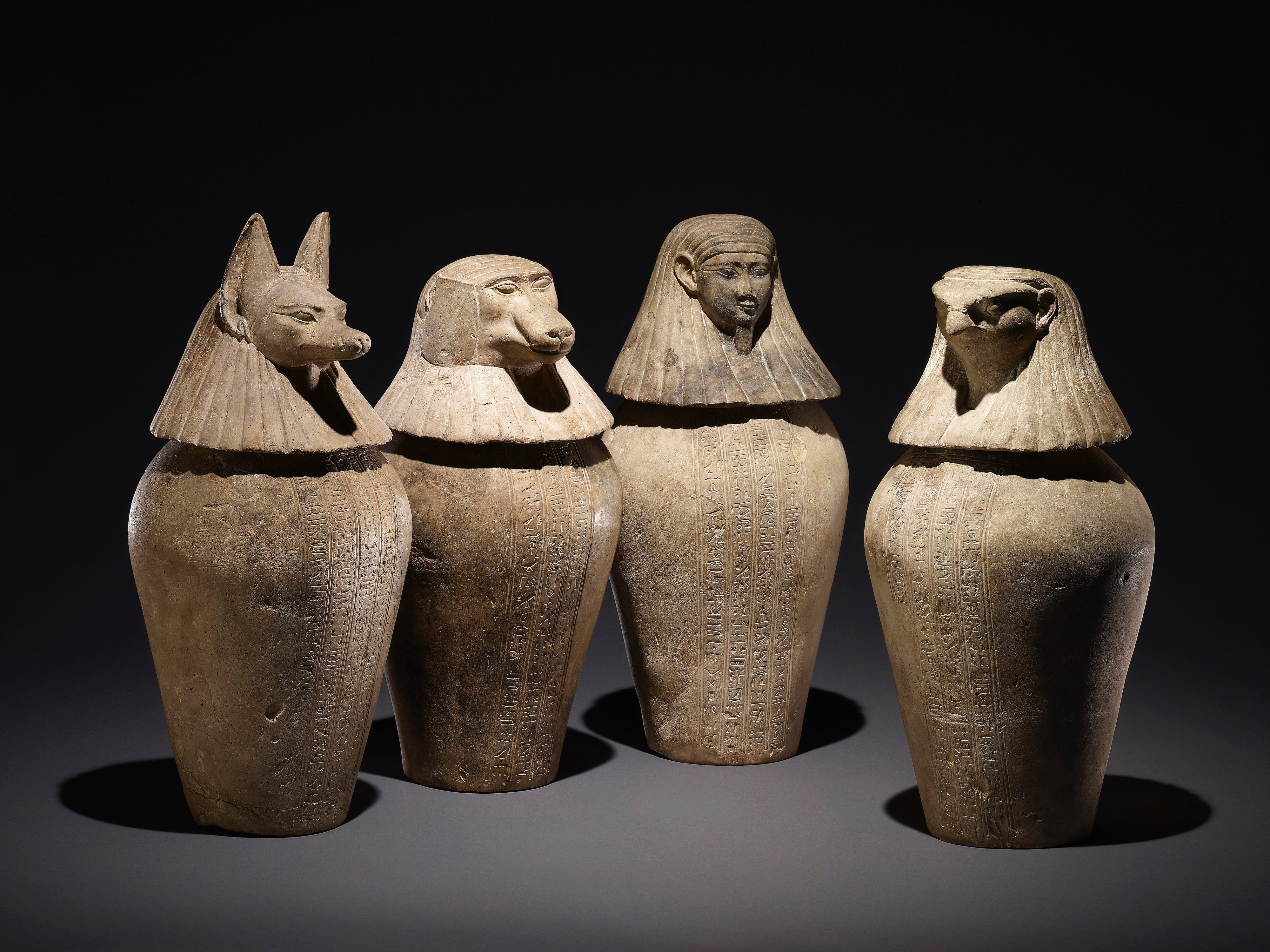
Egyptian imagery has followed me since childhood. Temples, gods, burial chambers, preservation technologies — they recur constantly in dreams.
Bodies preserved in peat bogs become mummified. They are hollowed out, while the surface remains intact.
Hollowing out exists in many traditions such as the hollow oak in Druidic practice, and the hollow bone in shamanic traditions.
Hollowness is not emptiness, it. is space for memory, daimon or transformation to move through. It is the alchemical vessel, the chalace, the grail, the original container metaphysics.
Ecological Oddkin
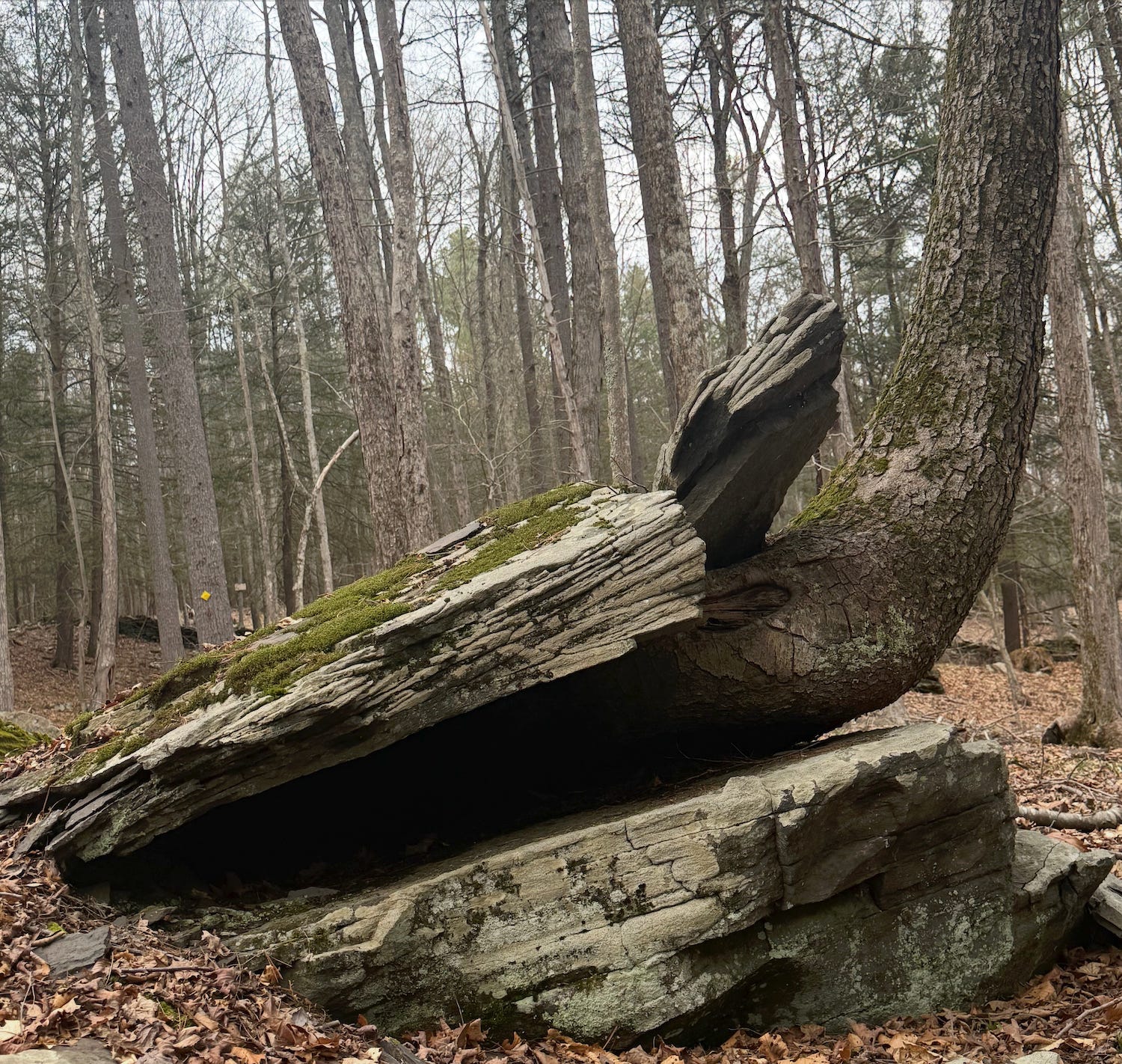
Walking through the woods feels decadent these days — it feels like purposeless movement.
Walking through the woods I wonder about my ancestors and how they wandered through the woods.
Did they search for shelter? Hunt? Escape? Mourn?
Did they walk purposelessly and decadently like me?
As I walked through the woods yesterday, I tried to clear my mind and become hollow- to become surface.
My beloved turned to me and said:
“Everything comes to the surface eventually.”